Leash Reactivity
Barking, lunging, pulling, or becoming over-aroused around dogs, people, bikes, cars, wildlife, or other triggers.

Behavior help · Greater Austin
Practical training for dogs who bark, lunge, growl, shut down, overreact, or struggle to stay calm in everyday life.
Whether your dog is reactive on leash, nervous around new people, difficult to manage at home, or showing more serious behavior concerns, we’ll help you understand what is happening and create a realistic training plan.

The goal is not a perfect dog. It is safer choices, clearer communication, and a more manageable life together.
Common behavior concerns
Behavior struggles are common, but the reason behind them is not always obvious. We look beyond the label and work with the dog, owner, environment, and pattern in front of us.
Barking, lunging, pulling, or becoming over-aroused around dogs, people, bikes, cars, wildlife, or other triggers.
Dogs who hide, shut down, panic, avoid handling, struggle in unfamiliar places, or have difficulty recovering after stress.
Growling, snapping, a bite history, guarding, escalating behavior, or conflict involving people or other animals.
Helping newly adopted dogs decompress, build trust, learn household structure, and adjust to the expectations of a new family.
Early guidance can improve safety, reduce confusion, and give you a clearer plan for what to do during difficult moments.
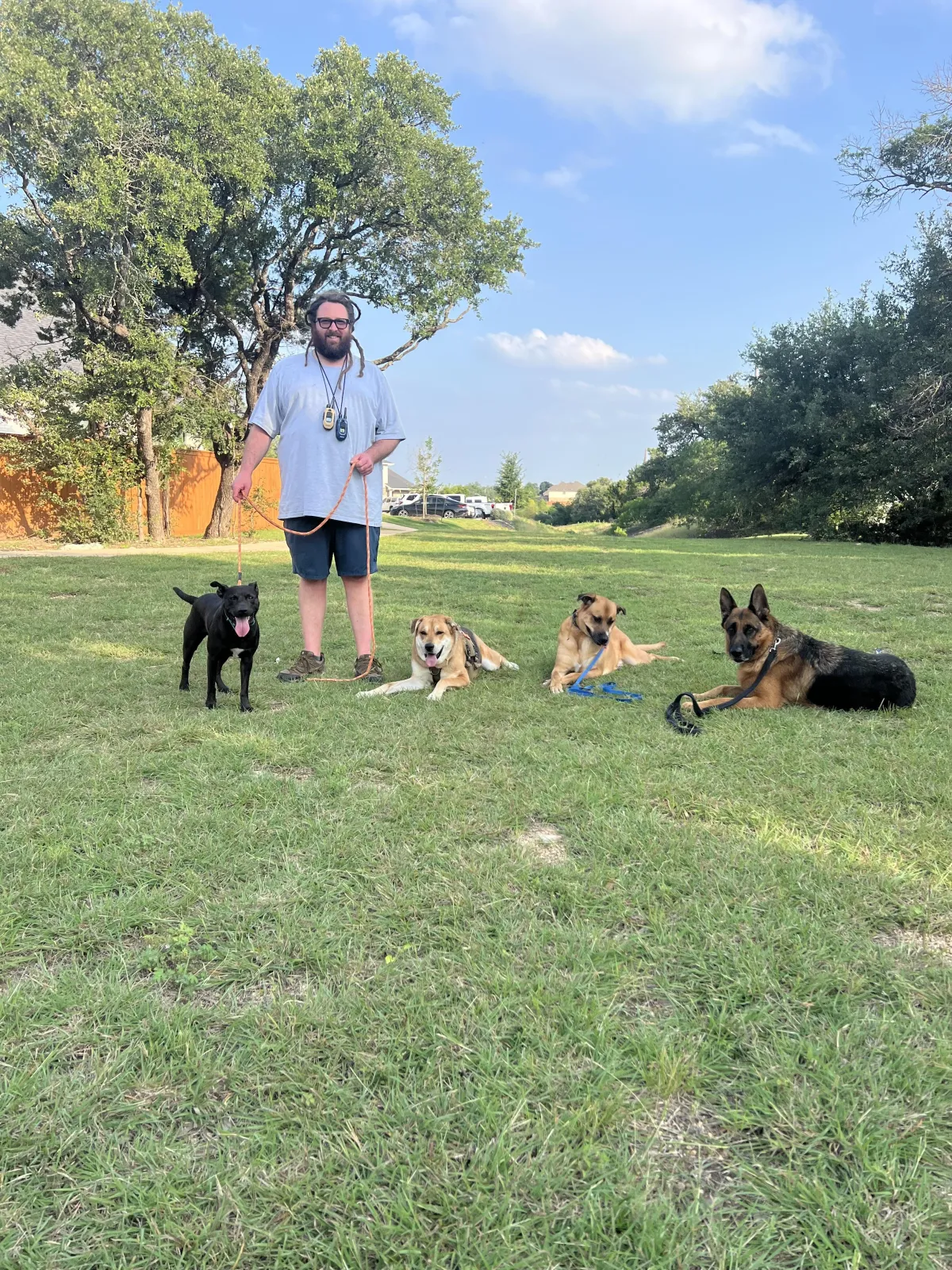
No one-size-fits-all behavior plan
Every dog’s behavior is influenced by a different combination of genetics, learning history, environment, health, relationships, daily structure, and reinforcement. We begin by identifying the patterns and triggers that matter most, then build a plan that improves communication, decision-making, and reliability.
Our behavior-training process
The details change from dog to dog, but these five priorities guide the work and help keep progress practical.
We review your dog’s history, triggers, body language, home environment, current routines, prior training, and safety concerns.
We teach structure, leash handling, engagement, boundaries, and foundational obedience that both you and your dog understand.
For reactive or fearful dogs, we work around triggers carefully so your dog can rehearse safer, more productive choices.
You’ll learn how to prepare for challenging situations, recognize changes in body language, respond clearly, and avoid reinforcing the wrong pattern.
Homework, detailed follow-ups, HCK9 HQ, and ongoing trainer support help the plan continue between sessions and after the program ends.
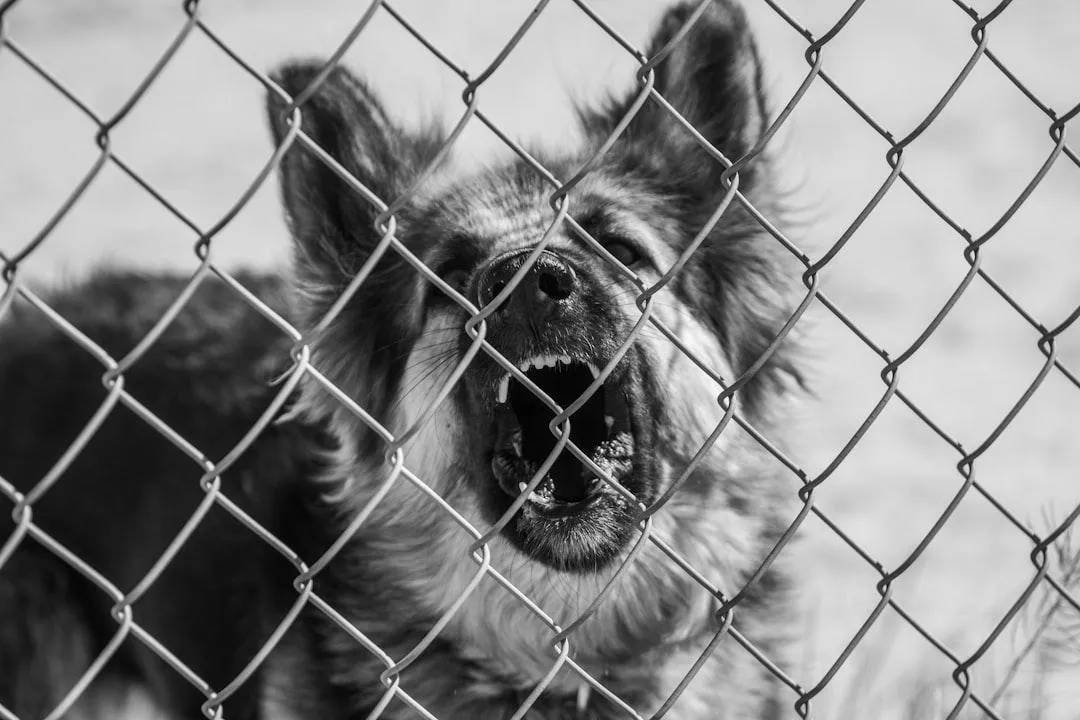
An important note about behavior cases
Growling, barking, lunging, avoidance, or a bite history matters and must be taken seriously. It also does not tell us everything by itself. Context, motivation, predictability, intensity, recovery, environment, and history all influence what a realistic plan should look like.
Best programs for behavior help
We’ll recommend the most appropriate starting point after learning about your dog. Complex behavior work often benefits from owner involvement early in the process.
Hands-on owner coaching
Best for owners who want direct coaching and need help managing behavior where it occurs in daily life.
Structure and repetition
Best for dogs who need more professional repetition and structure while still keeping the owner involved in maintaining the work.
A clearer starting point
Best for complex cases when you want a deeper evaluation before choosing a larger training program.
Board & Train can be a strong fit for some dogs, but reactivity, fear, anxiety, and aggression often depend heavily on the owner, household routines, familiar environments, and real-life triggers. Starting with an assessment or private lessons allows us to coach you directly and build a plan that works where the behavior actually happens.
Behavior help questions
You do not need to diagnose your dog before contacting us. Describe what you are seeing as honestly as possible, including any bite history or safety concerns.
Possibly. Bite history must be discussed openly so we can consider severity, context, predictability, current management, and whether we can safely and responsibly take the case. Start by contacting us with as much detail as you can provide.
Not every dog needs the full assessment. It is especially useful for complex, escalating, or unclear behavior cases where a deeper evaluation can help determine the safest and most realistic training path.
Outcomes vary. Training can often improve communication, handling, reliability, recovery, and day-to-day management, but responsible behavior work does not promise the same result for every dog. We will help you establish realistic goals after learning about the case.
When appropriate, yes—but exposure should be planned and manageable. The goal is not to overwhelm the dog or force a dramatic reaction. We want conditions where useful communication and better responses can be practiced safely.
Tell us when the change began and what else changed around the same time. Sudden or significant behavior changes can sometimes have a medical component, so we may recommend consulting your veterinarian alongside the training evaluation.
Start with a conversation
You do not have to figure it out alone. Tell us what has been happening, where the behavior shows up, and what you want daily life to look like. We’ll help you determine the most realistic next step.
Round Rock Dog Training
Steiner Ranch Dog Training
Westlake Dog Training
Bee Cave Dog Training
Liberty Hill Dog Training
Dripping Springs Dog Training
Tarrytown Dog Training

©2026 Hill Country K9. All Rights Reserved. | Privacy Policy | Terms & Conditions


