Law enforcement and security
Detection foundations and team development for lawful professional applications such as contraband, narcotics, explosives, or security work.
Detection training for professional, search-and-rescue, sport, hunting, and high-drive companion-dog goals.
Hill Country K9 develops both sides of the detection team. Your dog learns how to search, identify target odor, and communicate a find—while you learn how to set up the work, read behavior, and handle the search effectively.
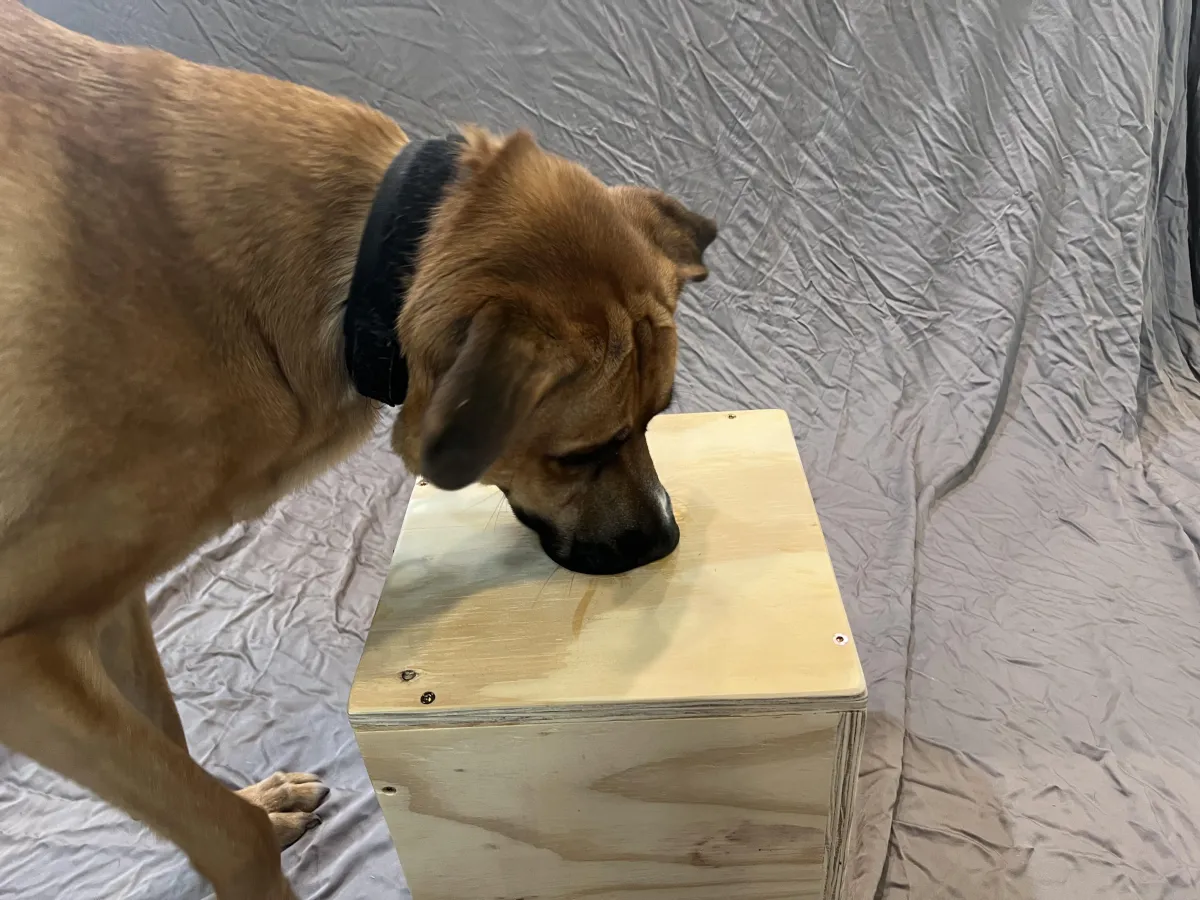
Clear search behavior begins with a strong association, an understandable task, and a reward the dog truly values.
Scent detection can support an operational goal, a competitive pursuit, hunting work, or a challenging and rewarding outlet for a driven companion dog.
Detection foundations and team development for lawful professional applications such as contraband, narcotics, explosives, or security work.
Human-scent foundations, handler development, environmental work, and search skills connected to missing-person or disaster-response goals.
Prepare for organized activities such as Nose Work, Scent Work, Barn Hunt, tracking, or other odor-based sports.
Channel natural search and hunting drive into clearer odor commitment, focused work, and stronger communication in the field.
Give an energetic or working-line dog a structured job that challenges the mind, builds confidence, and creates a productive outlet.
Develop a deeper understanding of odor, search behavior, reward placement, problem solving, and how dogs communicate scent information.
The exact progression depends on the application, but reliable detection work is built from several connected skills—not simply teaching a dog to smell something.
Build a strong association with target odor and teach the dog to distinguish it from competing scents.
Develop organized searching for relevant environments such as rooms, vehicles, luggage, containers, or open areas.
Shape an alert that is easy for the handler to recognize and appropriate for the dog’s intended work.
Help the dog continue working through changes in surface, airflow, noise, location, height, access, and distraction.
Learn how to read subtle behavior changes, manage the search, protect independence, and reward the correct information.
A reliable alert should tell the handler where target odor is located without creating confusion about what earned the reward. The process begins with simple repetitions, clear criteria, and careful timing.
This short video shows a piece of that foundation. As the dog understands the task, the alert can be strengthened and transferred into more complex searches and environments.
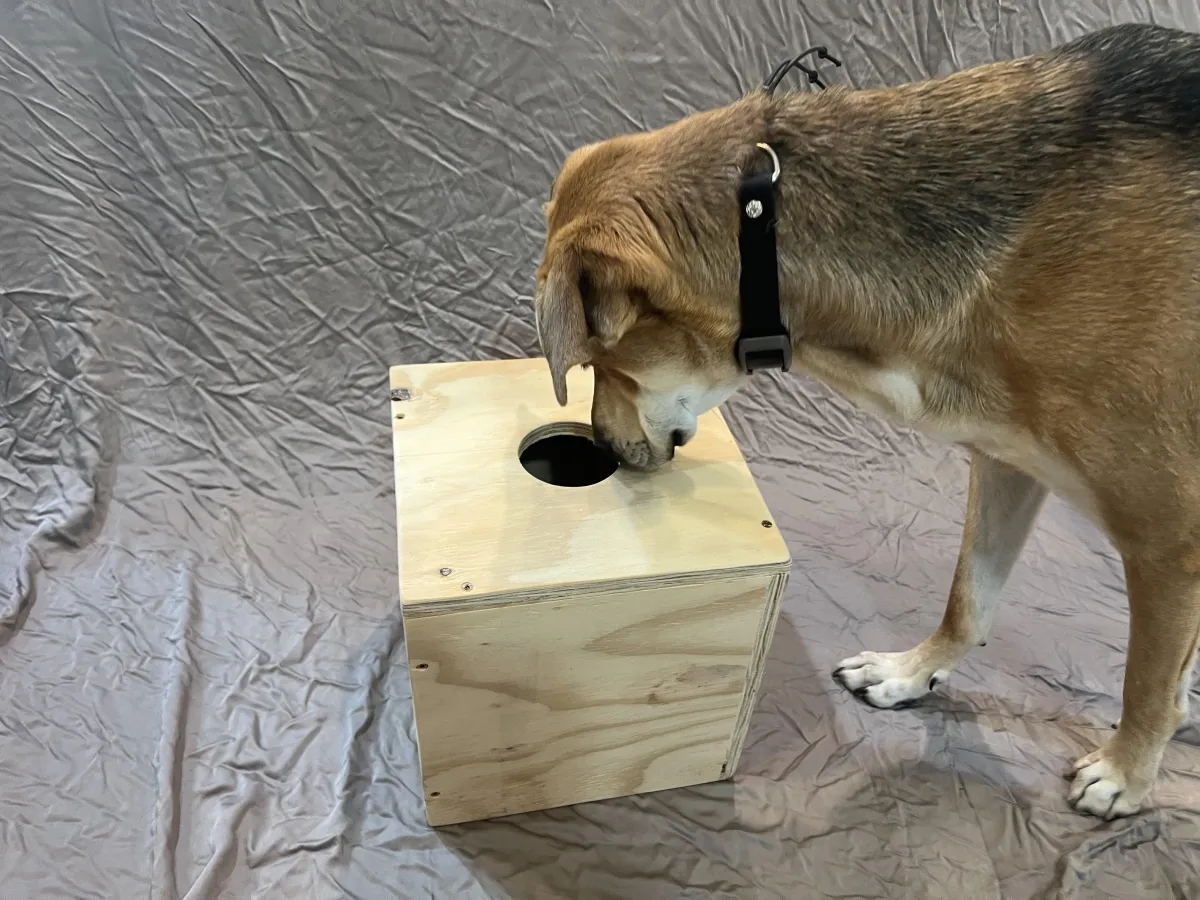
A clean training setup makes it easier for the dog to understand where odor is located and what behavior completes the task.
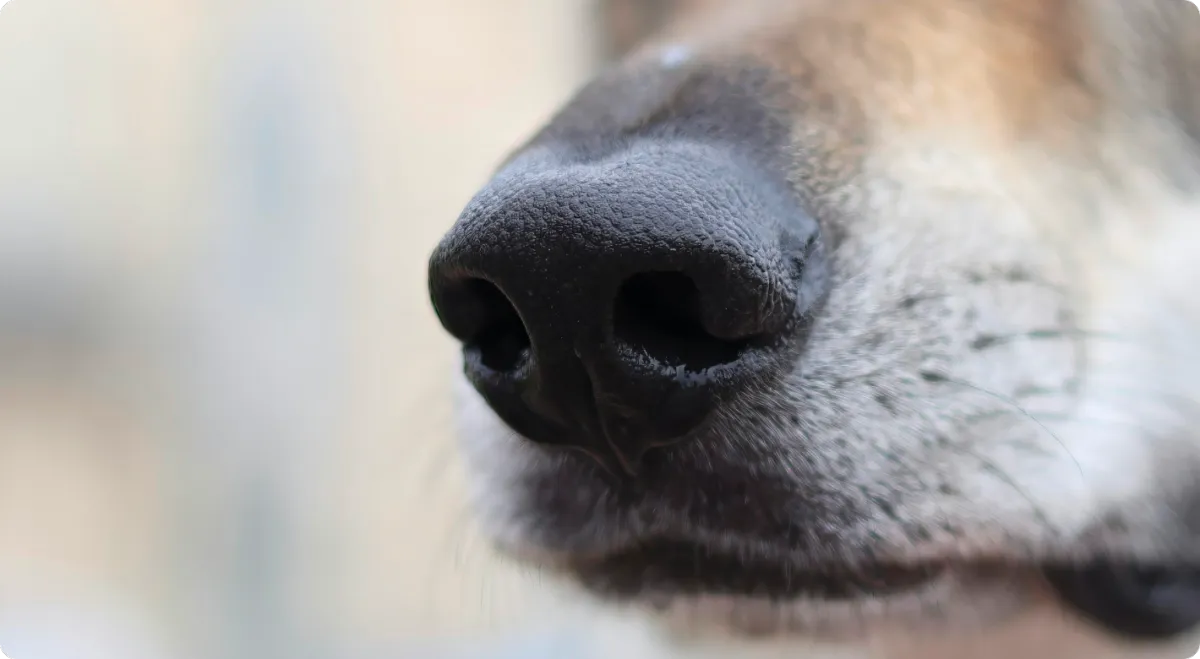
Airflow, temperature, terrain, obstacles, contamination, odor availability, and previous search history can all influence what the dog encounters. Effective handling means understanding those variables without taking over the dog’s job.
The sequence is adjusted for each team. We build clarity first, then increase search complexity without losing the dog’s motivation or the handler’s ability to read the work.
Review the intended application, the dog’s motivation and search behavior, existing training, and the handler’s experience.
Create a clear and rewarding relationship between target odor, committed investigation, and reinforcement.
Develop consistent communication at source through a passive or active response appropriate to the goal.
Increase area, duration, hide placement, environmental variety, blank searches, and relevant distraction.
Use thoughtful training records, varied setups, ongoing proofing, and handler review to protect performance.
Detection goals vary widely. We begin with the job the dog needs to perform, then build the search, alert, environments, and handler skills around that objective.
Sport, professional, SAR, hunting, and enrichment teams do not need identical training pictures or performance standards.
Training expands from controlled foundations into the locations, search areas, distractions, and conditions relevant to the goal.
The work should remain meaningful to the dog. Reinforcement, pacing, and criteria are selected to sustain clarity and desire.
You learn to recognize behavior, plan productive searches, avoid unintentional cueing, and maintain the work between sessions.
Tell us the kind of work you are interested in, your dog’s current training, and any experience you already have with scent work.
Dogs of many breeds can enjoy and succeed in scent work. Suitability for a specific operational or competitive goal depends on factors such as health, motivation, environmental confidence, persistence, temperament, and the performance standard required.
Not necessarily. Some foundational control and reward skills are helpful, but scent work can begin while obedience continues developing. The amount of prerequisite training depends on the environment and intended application.
Yes. Hill Country K9 works with teams pursuing professional, search-and-rescue, sport, hunting, and enrichment goals. The consultation helps define the scope and determine whether the dog, handler, and available training resources fit the intended use.
A passive alert typically involves a still response such as sitting, lying down, standing, or focused indication at source. An active alert may include behaviors such as scratching or digging. The alert is chosen according to safety, surface protection, rules, and operational needs.
There is no single timeline. The dog’s motivation and learning history, the number and type of odors, search complexity, handler skill, practice frequency, and the required reliability all influence the program. We’ll recommend a progression after evaluating the goal and starting point.
Yes. Scent work can provide a productive mental outlet, improve focus, build confidence, and create structured teamwork. Enrichment programs can be designed without requiring the dog to pursue an operational career or formal competition.
Operational goals involving controlled, hazardous, or regulated materials require lawful possession, approved training aids, appropriate permissions, and strict safety protocols. We define the permissible scope and training resources before that work begins.
Tell us about your dog, your experience, and whether your interest is professional, SAR, sport, hunting, or enrichment. We’ll help you determine the most useful next step.
Round Rock Dog Training
Steiner Ranch Dog Training
Westlake Dog Training
Bee Cave Dog Training
Liberty Hill Dog Training
Dripping Springs Dog Training
Tarrytown Dog Training

©2026 Hill Country K9. All Rights Reserved. | Privacy Policy | Terms & Conditions


